
The Great Zongzi Debate!The Differences Start Before They're Even Wrapped
The differences you taste when you unwrap them actually begin before the glutinous rice even touches the leaves.
By Tang Cheng
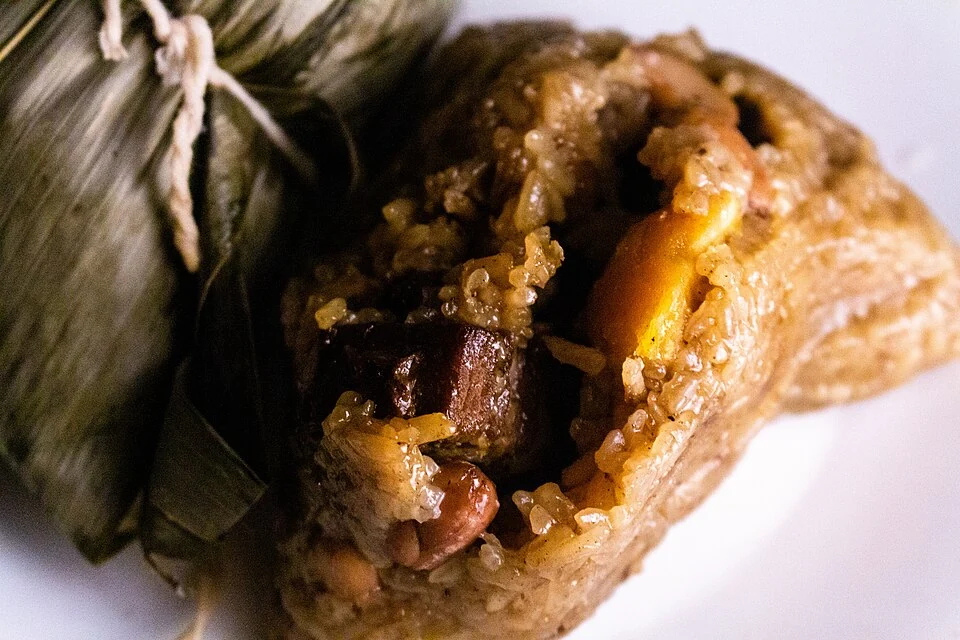
Cut two zongzi down the middle: in one, you can still make out the individual grains of rice; in the other, the grains are packed tightly together. Both use glutinous rice, but the difference emerges from the very first step. Traditional northern zongzi usually involves stir-frying the glutinous rice until it's half-cooked before wrapping and steaming. Southern zongzi, on the other hand, are often made by wrapping raw glutinous rice in leaves and boiling the entire parcel. Taiwan Cultural Memory Bank's zongzi data · National Immigration Agency's introduction to northern and southern zongzi
At What Step Do Northern and Southern Zongzi Diverge?Swipe
Which zongzi do you want to see first?
- Season and stir-fry glutinous rice
- Wrap in leaves with fillings
- Steam until cooked
- Combine raw glutinous rice with fillings
- Wrap in leaves
- Boil the whole parcel until cooked
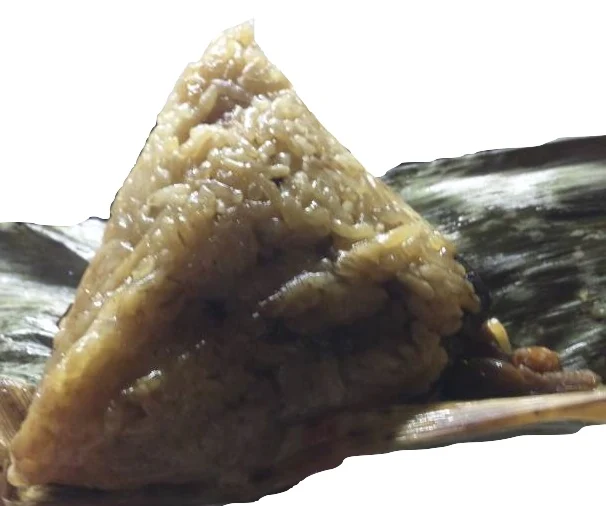
Northern Zongzi: Letting the Rice Soak Up Flavor in the Wok
The glutinous rice is seasoned and stir-fried, then steamed.
- Season the rice first
- Wrap and steam
- More distinct grains
To make northern zongzi, the glutinous rice is first stir-fried with seasonings. The person wrapping the zongzi scoops up this already colored and fragrant rice, adds the prepared fillings, wraps it up, and steams it. When unwrapped, the rice itself is savory, and one bite might remind you of oil rice (youfan). To really taste the difference, try a bite of the rice closest to the leaf first, and notice how much flavor it has even before you get to the meat and other fillings. Taiwan Cultural Memory Bank's zongzi data
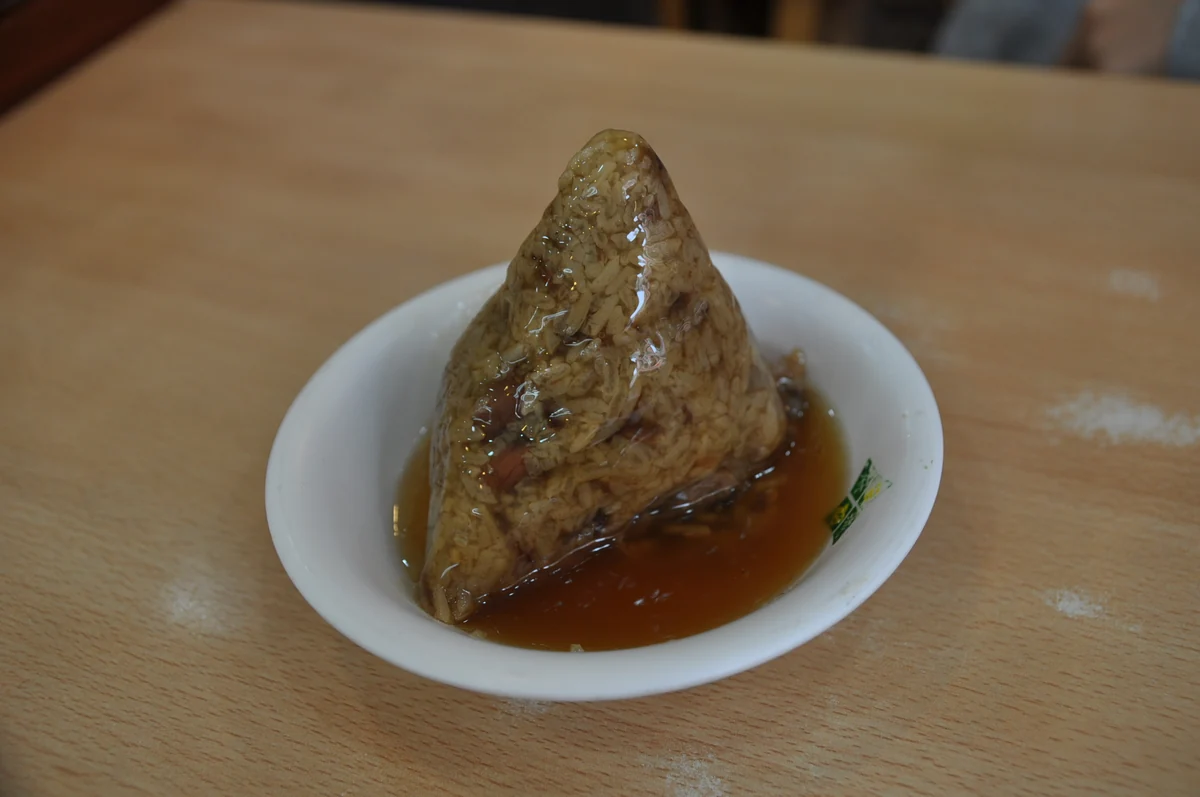
Southern Zongzi: Letting Raw Rice Cook Inside the Leaf
Raw glutinous rice is wrapped, and the whole thing is boiled until cooked.
- Start with raw rice
- Boil the whole parcel
- Tightly packed grains
A typical southern zongzi is made by wrapping raw glutinous rice and fillings, then boiling the entire parcel in hot water. Take the peanut-filled version for example: the rice absorbs water and cooks inside the leaf, so when unwrapped, the grains are more tightly packed and the texture is softer and stickier. When eating, some people sprinkle peanut powder and add sweet chili sauce, layering the dense rice with the fluffy powder in a single bite. Taiwan Cultural Memory Bank's zongzi data
Once Unwrapped, First Try a Bite of Just the Rice
Try a bite of just the glutinous rice from each to compare the savory flavor with the soft, sticky texture.
Next time you have both types of zongzi on the table, save a bite of plain rice from each. With the northern zongzi, you'll first taste the fragrance from stir-frying. With the southern one, you'll notice the dense, soft texture from being boiled inside the leaf. These two familiar flavors at the Dragon Boat Festival table have already chosen their separate paths long before the strings are tied.
Expand comparison of northern and southern zongzi methods
| Step | Typical Northern Zongzi | Typical Southern Zongzi |
|---|---|---|
| Before Wrapping | Glutinous rice is seasoned and stir-fried | Raw glutinous rice is used with fillings |
| After Wrapping | Steamed until cooked | The whole parcel is boiled until cooked |
| When Unwrapped | Grains are more distinct; the rice itself is savory | Grains are more tightly packed; texture is soft and sticky |
Read next


Sources Taiwan Cultural Memory Bank's zongzi data · National Immigration Agency's introduction to northern and southern zongzi